
Essential Travel tips for Sri Lanka

Some of the Essential Travel Tips and Suggestions, you should know before planning your trip to Incredible Sri Lanka.
Most travellers need to obtain a visa before arrival. The easiest way is through the Electronic Travel Authorization (ETA) system, which can be applied for online and usually gets approved within a few hours.
Sri Lanka is a year-round travel destination, thanks to its tropical climate and unique geography. However, the best time to visit depends on which part of the country you plan to explore.
December to April is considered the best time to visit the south and west coasts, including popular beach destinations such as Galle, Bentota, and Mirissa. During these months, travelers can enjoy sunny weather, calm seas, and ideal beach conditions.
May to September is the best time to visit the east coast, particularly beautiful coastal areas like Trincomalee and Arugam Bay. This period offers pleasant weather and excellent opportunities for beach activities, whale watching, and surfing.
Because the monsoon seasons affect different parts of the island at different times, visitors can usually find good weather somewhere in Sri Lanka throughout the year, making it a flexible destination for travelers from the United Kingdom, United States, Europe, and Australia.
Foreign tourists arriving in Sri Lanka can easily purchase local SIM cards at the airport from major telecom providers. These prepaid SIM cards offer affordable data and calling packages, making it easy to use maps, book taxis, and stay connected during your trip.
While traveling in Sri Lanka, it is advisable to carry some local cash for small purchases and local markets. The local currency is the Sri Lankan Rupee (LKR), and common banknote denominations include 20, 50, 100, 500, 1000, and 5000 rupees.
Sri Lanka is still largely a cash-friendly destination, especially in small shops, local restaurants, tuk-tuks, and rural areas. Although credit and debit cards are widely accepted in hotels, larger restaurants, and supermarkets, cash is often preferred for everyday transactions.
ATMs and currency exchange counters are easily available at international airports and in major tourist cities, making it convenient for travelers to withdraw or exchange money during their trip. It is recommended to keep a small amount of cash with you when sightseeing or traveling to smaller towns and villages.
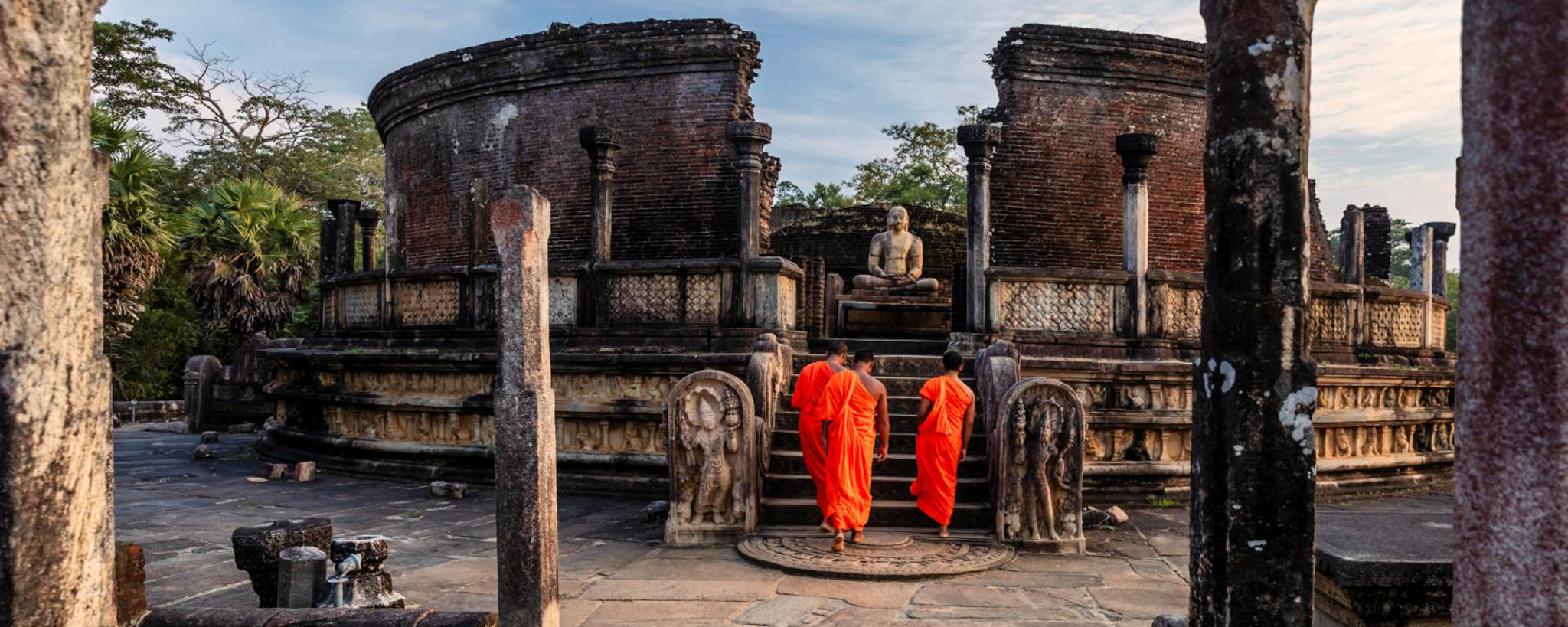
Dress Modestly at Religious Sites
When visiting temples and other religious sites in Sri Lanka, it is important to dress respectfully. Visitors should ensure that shoulders and knees are covered, and avoid wearing shorts, sleeveless tops, or revealing clothing. Shoes, hats, and sunglasses must be removed before entering temples and monasteries. Carrying a light scarf or shawl can be useful to cover up when visiting sacred places.
Sri Lanka uses a 230V electricity supply with a frequency of 50Hz. The most common plug types are Type D, Type G, and Type M, so travellers from many countries may need a universal travel adapter to charge their electronic devices. It is recommended to carry a multi-plug adapter and portable charger, especially if you plan to travel frequently between destinations. Power outages are rare in major cities and tourist areas, but having a power bank for phones and cameras can be helpful during long excursions.
Sri Lanka has a warm tropical climate throughout the year, which can feel hotter and more humid than weather in the UK, Europe, or parts of the US. Travellers should pack lightweight cotton or linen clothing to stay comfortable. Sunglasses, sunscreen, and a hat are also recommended when sightseeing during the day.
Visitors/foreign tourists who are not used to tropical weather should take extra care to stay hydrated while exploring Sri Lanka. Drinking plenty of bottled or filtered water is important, particularly when visiting outdoor attractions such as ancient cities, beaches, and national parks. Sunscreen and a hat will also help protect against the strong tropical sun.
Before traveling to Sri Lanka, it is advisable to consult your doctor or a travel health clinic regarding recommended vaccinations. Routine vaccinations such as Hepatitis A, Hepatitis B, Typhoid, and Tetanus are commonly advised for travelers. Depending on your travel history, a Yellow Fever vaccination certificate may be required if you are arriving from or transiting through a Yellow Fever–affected country.
Sri Lanka also has mosquito-borne illnesses such as dengue fever, so travelers should take preventive measures such as using insect repellent and wearing light long-sleeved clothing. Carrying a small personal medical kit and ensuring your routine immunizations are up to date will help you stay healthy during your visit.
As a tropical destination, mosquitoes can be present in certain regions of Sri Lanka, especially near forests, lakes, and coastal areas. Travelers should carry mosquito repellent, particularly when visiting national parks or rural areas in the evening.
One of the highlights of visiting Sri Lanka is experiencing its flavourful local cuisine. Popular dishes include rice and curry, hoppers, kottu roti, string hoppers, and fresh seafood. Restaurants in tourist areas often offer milder versions of dishes, making them suitable for tourist from the UK, US, Europe, and Australia who may not be used to very spicy food.
Sri Lanka’s train journeys are considered among the most scenic in the world. The famous train ride between Kandy and Ella passes through lush tea plantations and misty mountains. Because this journey is extremely popular with international tourists, it is advisable to book train tickets several days in advance, especially during peak travel seasons.
Wildlife safaris are a must-do experience in Sri Lanka. Parks such as Yala National Park and Udawalawe National Park are famous for elephants, leopards, crocodiles, and exotic birds. Safaris conducted early in the morning, or late afternoon provide the best opportunity to spot wildlife when animals are most active.
If you are visiting Sigiriya, we highly recommend you reach there in the morning by 08:00 AM to avoid huge lines and crowds at the site. Also keep in mind that it takes an hour to walk up to the rock fortress.
It is strongly recommended to have comprehensive travel insurance when visiting Sri Lanka. Travel insurance can help cover medical emergencies, trip cancellations, travel delays, or lost luggage, ensuring peace of mind throughout your journey. Before traveling, make sure your policy includes coverage for medical treatment, emergency evacuation, and unexpected travel disruptions so you can explore Sri Lanka with greater confidence.